Lens Replacement Surgery Cost in Ireland (2026 Guide)
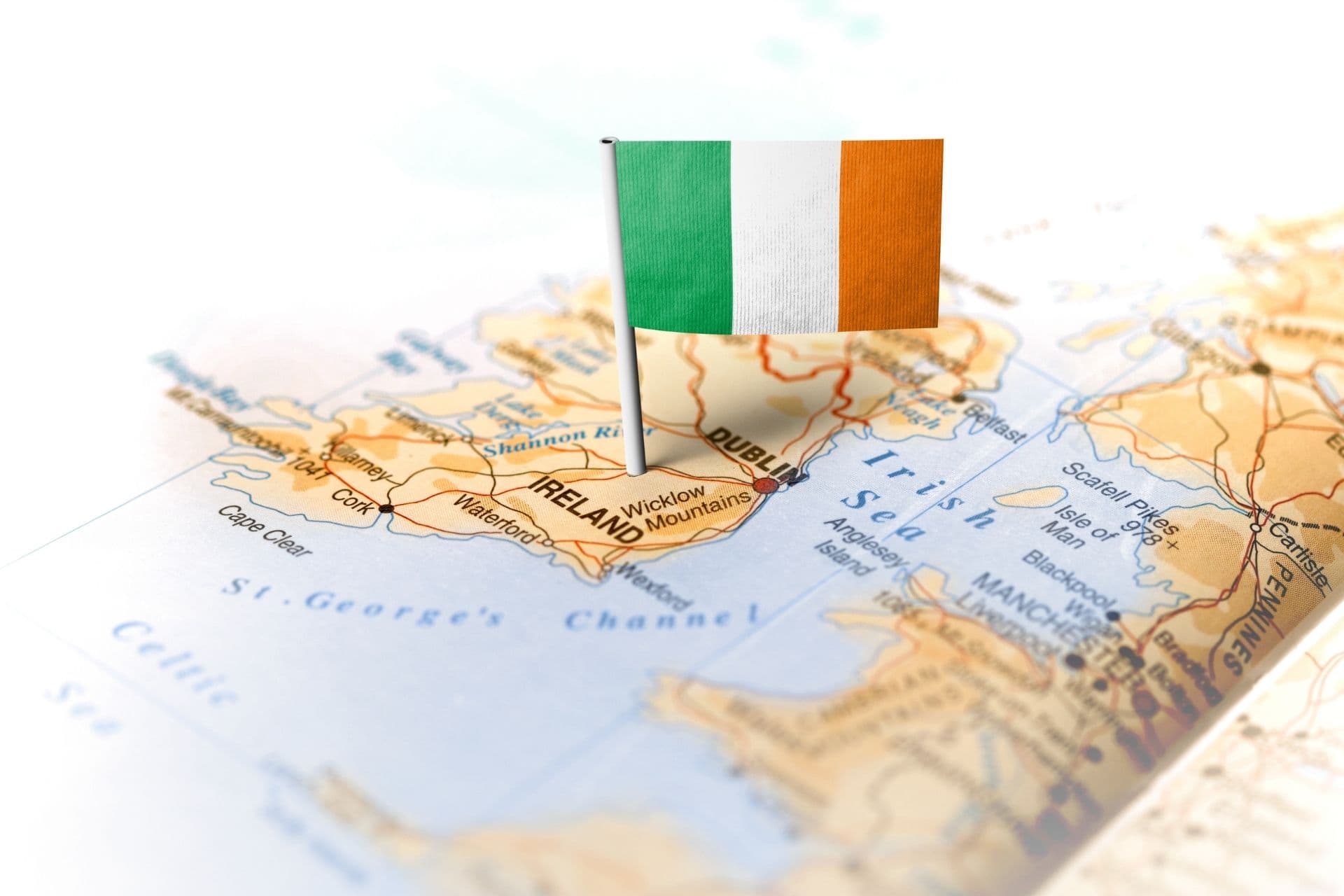
Lens replacement surgery is one of the most effective ways to permanently correct vision problems, particularly for patients over 45 who are no longer suitable candidates for laser eye surgery. In Ireland, however, the cost of refractive lens exchange (RLE) can be a significant barrier. Private clinics in Dublin, Cork and Galway typically charge between €3,500 and €7,000 per eye, and the procedure is not covered by the HSE or most private health insurers.
That financial reality is pushing a growing number of Irish patients to explore their options abroad. Prague, the capital of the Czech Republic, has emerged as one of the most popular destinations for lens replacement surgery in Europe, offering the same procedure with FEBO-certified surgeons, identical lens technology and EU-regulated facilities, at prices that are 50 to 60 percent lower than what you would pay at home.
This guide gives you a complete, honest breakdown of lens replacement surgery costs in Ireland, explains why the price gap exists, and walks you through what it actually looks like to have the procedure done in Prague, including travel logistics, what is included in the price, and how to evaluate whether it is the right choice for you.
What is lens replacement surgery (RLE)?
Refractive lens exchange, commonly called lens replacement surgery or RLE, is a procedure that removes the eye’s natural crystalline lens and replaces it with an artificial intraocular lens (IOL). It is surgically identical to cataract surgery, but it is performed on patients whose natural lens is still clear, primarily to correct refractive errors and eliminate dependence on glasses or contact lenses.
The procedure permanently corrects long-sightedness (hyperopia), short-sightedness (myopia), astigmatism and presbyopia, the age-related loss of near vision that typically begins in your mid-40s. Because the artificial lens cannot develop cataracts, RLE also eliminates the need for cataract surgery later in life.
RLE is most commonly recommended for patients who:
- ✓Are over 45 and increasingly dependent on reading glasses or varifocals
- ✓Have a prescription too high for safe laser eye surgery (LASIK or SMILE)
- ✓Want permanent freedom from glasses at all distances, including near, intermediate and far
- ✓Have early-stage cataracts or a strong family history of cataracts
- ✓Were told by their optician or ophthalmologist that they are not candidates for laser correction
The surgery itself takes approximately 15 to 20 minutes per eye and is performed under local anaesthetic drops. Most patients notice dramatically improved vision within 24 hours, and both eyes are typically treated within one to three days of each other.
How much does lens replacement surgery cost in Ireland?
Ireland does not have a public pathway for elective refractive lens exchange. The HSE covers cataract surgery when cataracts are clinically significant, but if your natural lens is still clear and you are seeking RLE for refractive purposes, the procedure is entirely private and entirely out of pocket.
Here is what you can expect to pay at Irish private clinics in 2026:
By lens type (per eye)
| Lens type | Per eye (Ireland) | Both eyes (Ireland) |
|---|---|---|
| Monofocal IOL (distance only) | €3,500–€4,500 | €7,000–€9,000 |
| EDOF / Extended depth of focus | €4,500–€5,500 | €9,000–€11,000 |
| Premium trifocal IOL | €5,500–€7,000 | €11,000–€14,000 |
| Toric IOL (astigmatism correction) | €4,800–€6,500 | €9,600–€13,000 |
* Prices based on publicly available data from leading Irish private eye clinics as of early 2026.
What influences the final cost?
Several factors determine where your quote falls within these ranges. The lens type is the single biggest variable: a basic monofocal IOL that corrects distance vision only will be significantly cheaper than a premium trifocal lens that provides clear vision at all distances. If you have astigmatism, a toric variant adds further to the cost. Clinic reputation and location also play a role. Dublin clinics, where overheads are highest, tend to charge more than practices in regional cities. Finally, some clinics quote a base price that excludes pre-operative diagnostics, follow-up appointments or YAG laser treatment (for posterior capsule opacification), so always ask for a fully inclusive quote.
Why is RLE so expensive in Ireland?
The high cost of lens replacement surgery in Ireland is not the result of a single factor but the combined effect of several structural issues in the Irish private healthcare market.
High operating costs
Running a surgical facility in Ireland is expensive. Commercial rents in Dublin are among the highest in Europe. Medical staffing costs have risen sharply in recent years, and insurance premiums for consultant ophthalmologists performing elective procedures are substantial. All of these overheads are passed directly to the patient.
A small and concentrated market
Ireland has a population of just over five million, and the number of private clinics offering RLE is limited. With only a handful of providers competing for patients, there is little downward pressure on pricing. In larger markets like Germany or the UK, a greater number of clinics creates genuine price competition that benefits patients. In Ireland, that competitive dynamic is largely absent.
No public funding or insurance coverage
Unlike cataract surgery, which is available through the public system (albeit with long waiting lists), elective RLE receives no HSE funding whatsoever. Private health insurance plans from VHI, Laya Healthcare and Irish Life Health do not cover refractive procedures. Patients bear 100% of the cost, and clinics set prices accordingly.
Premium lens surcharges
The wholesale cost of premium intraocular lenses (trifocal, EDOF, toric) is significant, but Irish clinics often apply markup margins that substantially exceed the manufacturer list price. In more competitive markets, these margins are tighter. In Ireland, the lack of price transparency means patients rarely question the lens component of their quote.
Prague: the smart alternative for Irish patients
Prague has become one of Europe’s leading destinations for medical travel in ophthalmology, and Irish patients are a growing part of that trend. The reasons are straightforward: equivalent surgical quality, identical lens technology, full EU regulatory oversight, and prices that are 50 to 60 percent lower than Irish private clinics.
Same EU regulation
The Czech Republic has been a full EU member state since 2004. Czech clinics operate under the same European medical device regulations (EU MDR) as clinics in Ireland, Germany or France. All intraocular lenses used must carry CE certification, and surgical facilities are inspected and licensed by SUKL, the Czech State Institute for Drug Control. There is no regulatory shortcut or lower standard. The framework is identical.
FEBO-certified surgeons
Leading Prague clinics employ ophthalmologists who hold FEBO certification from the European Board of Ophthalmology, the pan-European gold standard for surgical competence. Many have completed fellowships at Western European academic medical centres and are active members of ESCRS (the European Society of Cataract and Refractive Surgeons). The surgical training pathway in the Czech Republic is rigorous: a minimum of six years of medical school followed by five years of ophthalmology specialisation.
World-class technology
Prague clinics use the same diagnostic and surgical equipment as top private hospitals in Dublin, London and Munich. Pre-operative biometry is performed on ZEISS IOLMaster 700 and Lenstar platforms. Surgeons operate with Zeiss OPMI Lumera microscopes, and leading centres offer the Zeiss VISUMAX 800 for refractive procedures. The intraocular lenses implanted are manufactured by Alcon, Johnson & Johnson Vision and Carl Zeiss Meditec, the same brands used worldwide.
No waiting list
In Ireland, even private clinics may have waiting times of several weeks for an initial consultation and further weeks before a surgery date. In Prague, international patients can typically be seen for a comprehensive diagnostic assessment and have surgery within the same week. Clear Sight Abroad operates on a 5-day treatment timeline that includes all consultations, surgery and follow-up appointments.
Cost comparison: Ireland vs Prague
The following table compares typical Irish private clinic pricing with Clear Sight Abroad pricing in Prague for the most common RLE configurations:
| Procedure | Ireland (per eye) | Prague (per eye) | Saving |
|---|---|---|---|
| Monofocal RLE (per eye) | €3,500–€4,500 | from €1,490 | up to 60% |
| EDOF lens RLE (per eye) | €4,500–€5,500 | from €1,490 | up to 55% |
| Premium trifocal RLE (per eye) | €5,500–€7,000 | from €1,490 | up to 55% |
| Toric RLE (per eye) | €4,800–€6,500 | from €1,920 | up to 50% |
* Ireland prices based on publicly available private clinic data as of early 2026. Prague prices via Clear Sight Abroad, all-inclusive.
What is included in the Prague price?
One of the most common concerns about eye surgery abroad is hidden costs. At Clear Sight Abroad, the quoted price is fully inclusive. There are no surprise charges, no add-ons and no extras billed after surgery. Here is what the package includes:
- ✓Comprehensive pre-operative eye examination and diagnostic workup (biometry, topography, OCT, pachymetry)
- ✓Surgeon consultation and personalised treatment plan
- ✓The RLE surgery itself, including the intraocular lens of your choice (monofocal, EDOF, trifocal or toric)
- ✓All surgical facility fees, anaesthetic drops and surgical consumables
- ✓Post-operative check-ups on day 1 and day 4 after surgery
- ✓Protective eye shields and prescribed post-operative eye drops
- ✓Free airport transfer in both directions
- ✓Free extended patient assistance throughout your stay in Prague
- ✓A detailed surgical report in English for your GP or optician at home
There are no hidden costs for consultations, no premium lens surcharges beyond the quoted price, and no unexpected facility fees. What you are quoted is what you pay.
Travel from Ireland to Prague
Getting from Ireland to Prague is straightforward, affordable and quick. Direct flights from Dublin to Prague are operated by Ryanair and Aer Lingus, with a flight time of approximately three hours. Return flights are frequently available for under €100, and often significantly less if booked in advance.
The 5-day treatment timeline
Most international patients at Clear Sight Abroad follow a compact 5-day schedule:
- ✓Day 1: Arrive in Prague. Free airport transfer to your accommodation.
- ✓Day 2: Comprehensive eye examination and pre-operative diagnostics. Surgeon consultation and treatment plan confirmation.
- ✓Day 3: Surgery on the first eye. The procedure takes approximately 15 to 20 minutes. You return to your accommodation the same day.
- ✓Day 4: Post-operative check. If both eyes are being treated, the second eye is typically done on this day or the following day.
- ✓Day 5: Final check-up and clearance to fly home. Free transfer back to Prague airport.
Accommodation and total trip cost
Prague offers excellent accommodation at all price points. A comfortable 4-star hotel in the city centre costs between €60 and €120 per night, and many patients opt for serviced apartments with kitchen facilities. For a typical 5-night stay, here is a realistic total trip budget:
| Cost item | Typical range |
|---|---|
| Return flights (Dublin–Prague) | €60–€150 |
| Accommodation (5 nights) | €300–€600 |
| Meals and incidentals | €150–€250 |
| RLE surgery (both eyes, trifocal) | from €2,980 |
| Total trip cost | €3,490–€3,980 |
* Estimated travel costs based on typical 2026 prices. Surgery price via Clear Sight Abroad.
Even at the higher end of travel costs, the total trip expense including surgery comes in at well under half of what bilateral trifocal RLE costs at an Irish private clinic. The savings are substantial and real.
Is it safe to have lens replacement surgery in Prague?
Safety is understandably the first question any patient considering eye surgery abroad will ask. Here is an honest assessment of the key factors:
EU regulatory framework
The Czech Republic is a full member of the European Union. Its healthcare system is subject to the same EU directives, medical device regulations and patient safety standards as Ireland, Germany, France or any other member state. There is no difference in regulatory rigour. SUKL, the Czech medicines and devices regulator, enforces compliance with EU MDR requirements, and all IOLs must carry CE certification.
Surgeon credentials
At leading Prague clinics, surgeons hold FEBO certification from the European Board of Ophthalmology. This is the same pan-European standard against which Irish, British and German ophthalmologists are measured. Many Prague surgeons have trained or completed fellowships at academic centres in Vienna, Berlin, London and Paris, and routinely present at ESCRS and AAO conferences.
Technology and infrastructure
Prague clinics operate with the same diagnostic equipment (ZEISS IOLMaster 700, Pentacam, OCT) and surgical platforms (Zeiss OPMI Lumera, Alcon Centurion phaco systems) as clinics in Dublin or London. The Zeiss VISUMAX 800, the most advanced refractive laser platform currently available, is installed at leading Prague centres. There is no technology gap.
Track record and patient volume
Czech ophthalmologists collectively perform over 100,000 eye surgeries per year. Individual surgeons at leading Prague clinics carry out 1,500 to 3,000 procedures annually, giving them a volume of experience that many consultants at smaller Irish clinics simply cannot match. High surgical volumes correlate directly with better outcomes and lower complication rates. This is not a marginal operation, it is a mature, high-volume centre of excellence.
Aftercare and follow-up
Post-operative care is included in the Clear Sight Abroad package. You will have check-ups on day 1 and day 4 after surgery in Prague. Once you return to Ireland, you can visit your local optician or GP for routine follow-up checks. Clear Sight Abroad provides a detailed surgical report in English, and the clinical team remains available by phone and email for any post-operative questions after you return home.
Frequently asked questions
Is lens replacement surgery covered by Irish health insurance?+
No. Refractive lens exchange (RLE) is classified as an elective procedure and is not covered by VHI, Laya Healthcare, Irish Life Health or any other private insurer in Ireland. The HSE covers cataract surgery when cataracts are clinically significant, but elective lens replacement for refractive correction is entirely self-funded.
How much can I realistically save by going to Prague?+
Irish patients typically save between €5,000 and €10,000 on bilateral lens replacement surgery by choosing Prague. Even after accounting for flights, accommodation and meals, the total trip cost including surgery is approximately 40 to 50 percent of what you would pay at an Irish private clinic.
Is it safe to fly after lens replacement surgery?+
Yes. Patients are typically cleared to fly within 24 to 48 hours after surgery. Air pressure changes in a commercial aircraft cabin do not affect intraocular lenses. Your surgeon will confirm you are fit to fly at your post-operative check-up before departure.
Do Prague surgeons speak English?+
Yes. At international clinics like those partnered with Clear Sight Abroad, all surgeons and patient coordinators speak fluent English. All consultations, consent forms and surgical reports are provided in English.
What happens if I have a complication after returning to Ireland?+
Serious complications after RLE are rare (less than 1% at experienced centres), but if any issue arises, you can contact the Clear Sight Abroad clinical team directly by phone or email. For urgent matters, any Irish ophthalmologist can assess and manage standard post-operative concerns using the detailed surgical report provided. If a return visit to Prague is necessary (which is exceptionally uncommon), Clear Sight Abroad coordinates this promptly.
Can I claim the cost back through Irish tax relief?+
Ireland offers tax relief on qualifying medical expenses at the standard rate (20%) through a Med 1 form. Eye surgery, including RLE performed abroad, may qualify. You should retain all invoices and receipts and consult with your accountant or Revenue to confirm eligibility for your specific circumstances.
How do I get started?+
The process begins with a free online consultation. You submit your most recent eye prescription and any relevant medical records through the Clear Sight Abroad website. The clinical team reviews your case, confirms your suitability for RLE, and provides a personalised treatment plan and quote, typically within 24 to 48 hours.
What lens brands are used in Prague?+
Leading Prague clinics use the same premium IOL brands as top clinics worldwide: Alcon PanOptix and Vivity, Johnson and Johnson Tecnis Synergy and Symfony, and Carl Zeiss AT LISA tri. The specific lens recommended for you depends on your eye measurements, lifestyle needs and visual goals.
Ready to find out if you qualify?
Send us your details for a free online consultation. Our English-speaking team will respond within 24 hours.