Secondary Cataract and YAG Laser Treatment: What Happens Years After Surgery
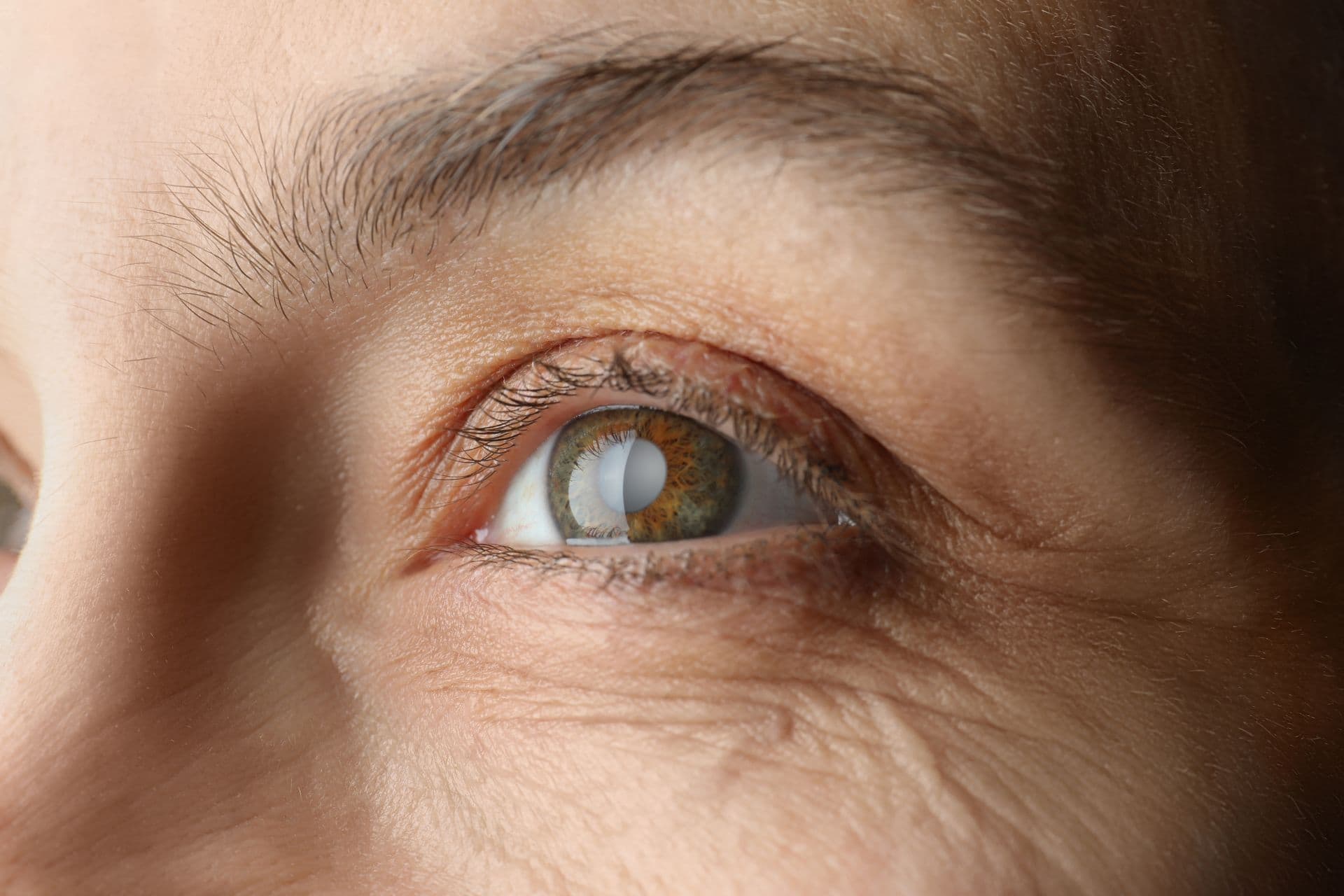
You had lens surgery. Your vision was sharp, colours came back, and for a year or three everything was fine. Then it began to dull again: a haze when driving into low sun, text that needs more light than it used to, the creeping sense that whatever was fixed has come undone.
Almost every patient in this position reaches the same conclusion, that the cataract has returned. It has not, and it cannot. The natural lens was removed and it does not grow back. What has happened is something different, far less serious, and treated in a few minutes without the eye being opened.
What a secondary cataract actually is
During cataract or lens replacement surgery, the surgeon does not remove the whole lens structure. The lens sits inside a thin, transparent membrane called the capsule, and that capsule is deliberately kept. An opening is made in the front of it, the cloudy lens material is removed through that opening, and the new implant is placed inside the capsule, which then holds it in position for the rest of your life.
The back wall of that capsule, the posterior capsule, stays in place behind your implant. Over time, residual lens epithelial cells can migrate across it and multiply, and the once-clear membrane turns hazy. Light now passes through a frosted layer before it reaches your retina, and the result looks and feels remarkably like the original cataract.
The medical name is posterior capsule opacification, usually shortened to PCO. The everyday names are secondary cataract or after-cataract, and in German it is called Nachstar. All describe the same thing, and none of them is a new cataract.
Secondary cataract compared with the original
| Cataract | Secondary cataract (PCO) | |
|---|---|---|
| What is cloudy | Your own natural lens | The thin capsule that now holds the implant |
| When it happens | Usually with age, over years | Months to years after lens surgery |
| How it feels | Gradual blur, glare, dull colours | Very similar, which is why people assume it has returned |
| Treatment | Surgery, the lens is removed and replaced | YAG laser, the eye is not opened |
| How long it takes | Around fifteen minutes in theatre | A few minutes at a slit lamp |
| Can it come back | No, the natural lens is gone for good | Rarely, once treated it does not usually recur |
How common is it, and when does it appear
Common enough that any surgeon who has operated for a decade has seen a great deal of it. PCO is widely described in the ophthalmic literature as the most frequent late event after otherwise successful cataract surgery, and published rates vary considerably depending on the lens material and design, the surgical technique, the patient's age and how long they are followed up for.
Timing follows a pattern. It is unusual in the first few months, becomes more likely across the following years, and younger patients tend to develop it sooner and more often than older ones, because the cells involved are more active. That matters particularly for refractive lens exchange patients, who are typically a decade or two younger than cataract patients.
Modern implant designs, especially those with a sharp posterior edge, were developed partly to slow this process down. They reduce it; they do not abolish it.
The symptoms, and what else they could be
- ✓Vision that dulls gradually rather than suddenly, over weeks or months
- ✓Glare and halos around headlights or low sun, often the first thing people notice
- ✓Reading that needs more light than it did a year ago
- ✓Colours looking slightly washed out again
- ✓A prescription that seems to have drifted
One thing deserves emphasis. A gradual haze is typical of PCO, but sudden vision loss, a shower of new floaters, flashing lights, a curtain across part of your field of view or pain are not. Those need same-day assessment by an eye doctor, because they point to different and more urgent problems. Do not assume a sudden change is capsule clouding.
PCO is also not the only reason vision changes years after lens surgery. Macular degeneration, glaucoma, diabetic eye disease and a simple change in prescription all produce overlapping symptoms, which is why the answer comes from an examination rather than from an article. What makes PCO straightforward to identify is that it is visible: an ophthalmologist looking through a slit lamp can see the hazy capsule directly.
What YAG laser treatment involves
The treatment is called a YAG capsulotomy, named after the laser used. The principle is simple: rather than removing the clouded capsule, the laser makes a small opening in the middle of it, in the visual axis, so light passes through unobstructed again. The hazy periphery stays where it is, still holding your implant.
What happens on the day, in practice. Drops dilate the pupil and numb the surface of the eye. You sit at a slit lamp, the same instrument used for a routine eye examination, and a contact lens may be rested against the eye to stabilise it. The laser fires a series of brief pulses, which you see as flashes and may hear as faint clicks. The whole thing usually takes a few minutes, and the eye is never opened.
Afterwards, vision is often blurry for a few hours from the dilating drops and clears as they wear off. Many patients notice the improvement the same day. You will usually need someone to drive you home, and you may be given anti-inflammatory drops for a short period, plus a pressure check because eye pressure can rise temporarily.
Risks, honestly stated
YAG capsulotomy is one of the lower-risk procedures in ophthalmology, but it is not risk-free, and anyone telling you otherwise is overselling it.
- ✓A temporary rise in eye pressure, which is why pressure is usually checked afterwards
- ✓New floaters, which are common and usually settle as the eye adapts
- ✓Inflammation inside the eye, normally mild and managed with drops
- ✓Retinal detachment, uncommon but the reason sudden symptoms after treatment must be reported immediately
- ✓Swelling at the macula, uncommon, and usually treatable
- ✓Marking of the implant surface by the laser, rare and generally without effect on vision
Because of the small retinal risk, a surgeon may prefer to wait rather than treat a mild haze that is not bothering you. The right time to treat is when the clouding is actually affecting what you need to do, not the moment it becomes visible on examination. If you are offered treatment for a haze you have not noticed, it is fair to ask why now.
Who pays for it
This is where it gets inconsistent, and it is worth sorting out before you need the answer rather than after.
In public systems, YAG capsulotomy after cataract surgery is generally treated as medically necessary follow-up care, in the same way the original operation was, subject to each country's usual rules, deductibles and waiting lists.
Where it becomes murkier is after elective surgery. If you had refractive lens exchange, meaning your natural lens was replaced before any cataract had formed, the original procedure was private and self-funded. Whether subsequent YAG treatment is covered by a public system, by your insurer, or by the clinic that operated varies considerably, and some clinics include it in their package while others bill it separately.
So ask one question before you book any lens procedure, anywhere: is YAG laser treatment for capsule clouding included, and for how long. Most price lists are silent on it, which is exactly why it is worth asking. Our guide to intraocular lens costs covers the other items that commonly sit outside a headline quote.
If your surgery was done in another country
This is the question that brings most people to this page, and it deserves a direct answer rather than reassurance.
PCO typically appears months or years after surgery, by which time you are home and the operating clinic is a flight away. Flying back for a few minutes at a slit lamp makes little sense, and nobody expects you to. A YAG capsulotomy is a standard procedure performed by ophthalmologists everywhere, so it is normally done locally, wherever you live.
What makes that straightforward is documentation. Your local ophthalmologist will want to know what implant you received, its power and model, what the surgery involved and what your refractive outcome was. If you have surgery abroad, keep that paperwork, and ask the clinic for it in writing rather than assuming you can request it years later.
- ✓The implant model, power and serial details, and which eye received which lens
- ✓The operation note or a discharge summary
- ✓Your pre-operative measurements and your post-operative refraction
- ✓The name of the operating surgeon and a contact route to the clinic
This is the practical core of the aftercare question that patients considering treatment abroad worry about most, and it is a fair worry. The honest position is that routine late events like PCO are handled perfectly well locally, provided you leave with your records. Our guide to recovery day by day covers the early weeks, where proximity matters far more than it does years later.
Frequently asked questions
Can a cataract come back after surgery?+
No. The natural lens is removed during surgery and does not grow back, so the same cataract cannot return. What can cloud is the thin capsule left in place to hold the new implant, a condition called posterior capsule opacification, also known as secondary cataract. The symptoms are similar, which is why it is so often mistaken for a returning cataract.
What is a secondary cataract?+
It is clouding of the posterior capsule, the thin membrane behind your lens implant. Residual lens cells migrate across the membrane and multiply, turning a clear layer hazy so that light is scattered before it reaches the retina. It is the most common late event after lens surgery and it is treated with a YAG laser rather than with further surgery.
Does YAG laser treatment hurt?+
It is not usually described as painful. The eye is numbed with drops and the pupil is dilated, you sit at a slit lamp, and the laser fires brief pulses that you see as flashes and may hear as faint clicks. Most patients find the dilating drops and the brightness more uncomfortable than the laser itself.
How long does a YAG capsulotomy take?+
The laser part usually takes a few minutes. The appointment takes longer because the pupil has to be dilated beforehand and your eye pressure is often checked afterwards. Plan for a couple of hours at the clinic and arrange a lift home, since your vision will be blurred from the drops for a few hours.
How soon will my vision improve?+
Many patients notice an improvement the same day, once the dilating drops wear off. Some see it settle over the following days. If vision does not improve at all after treatment, that suggests the clouding was not the main cause of your symptoms, which is worth investigating further.
Can the secondary cataract come back after YAG?+
Once an opening has been made in the capsule in your visual axis, the same problem does not usually recur, because there is no longer a membrane in the light path at that point. Repeat treatment is occasionally needed but it is not the norm.
Is YAG treatment covered, or do I pay for it?+
After cataract surgery in a public system it is generally treated as medically necessary follow-up, subject to that country's usual rules and waits. After elective refractive lens exchange it varies: some clinics include it, some bill it separately, and insurance treatment differs. Ask whether it is included, and for how long, before you book any lens procedure.
I had surgery abroad. Where do I get YAG treatment?+
Normally with an ophthalmologist where you live. YAG capsulotomy is a standard procedure available everywhere, and flying back for a few minutes of laser rarely makes sense. What your local doctor will need is your operation documentation: the implant model and power, the operation note and your refractive outcomes. Ask the operating clinic for all of it in writing before you travel home.
When should I worry instead of waiting?+
Gradual dulling over weeks or months fits capsule clouding. Sudden vision loss, a shower of new floaters, flashing lights, a shadow or curtain across your field of view, or pain do not, and need same-day assessment by an eye doctor. Do not wait on a sudden change on the assumption that it is a secondary cataract.
Ready to find out if you qualify?
Send us your details for a free online consultation. Our English-speaking team will respond within 24 hours.